Farmer-centred
Design starts with consent, clarity, and benefit for those who produce the data.
Kenya’s farms and pastoral lands produce enormous value and information every season. This project is about bringing that information together in a trustworthy, respectful way so that farmers, herders, cooperatives, agribusinesses, and government can all see the bigger picture — and so that the people who create the data are not left behind.
A full-journey story: from soil and rain, through production and markets, to policy and finance.
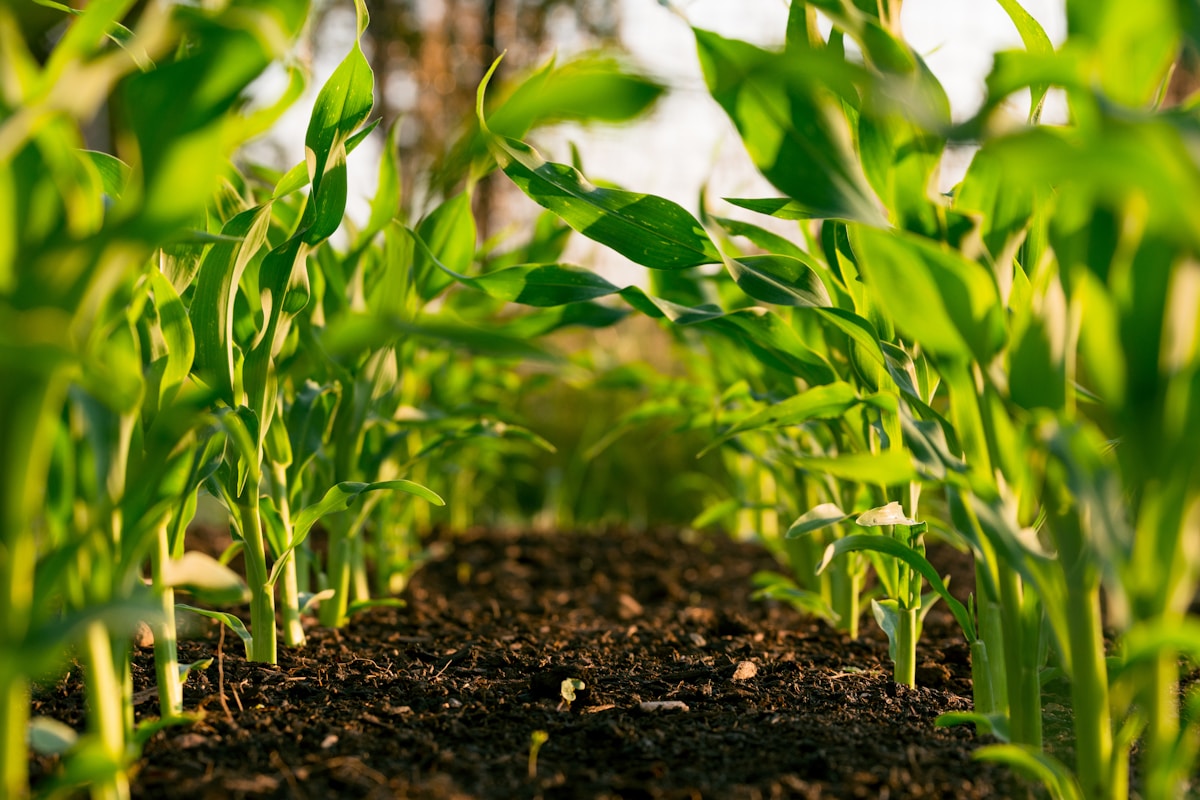
Stock photo: vegetable crop rows — via Unsplash (illustrative, not site-specific).
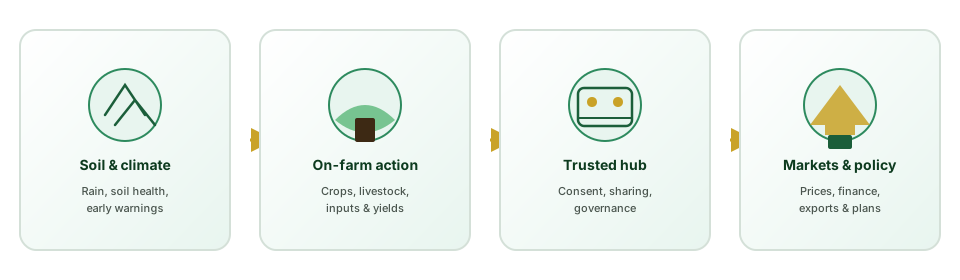
From weather and soil to what happens on the farm, through a trusted hub, out to markets and policy — KADC is about one coherent story, not disconnected spreadsheets.
Design starts with consent, clarity, and benefit for those who produce the data.
Existing registries and platforms stay in place; the commons connects them sensibly.
Governance and a verifiable trust layer support transparent rules communities can rely on.
The Kenya Agricultural Data Commons (KADC) is a planned national approach to agricultural data: a way to link information held by ministries, research institutes, counties, banks, insurers, agritechs, and others — without replacing the systems they already use. The aim is a farmer-governed, transparent “commons” where rules are clear, privacy is protected, and value flows back to those who grow and manage Kenya’s food and fibre.
Kenya holds one of Africa’s richest agricultural data landscapes, yet much of it sits in separate institutions, different file formats, and closed platforms. Farmers and pastoralists who generate the information often see little direct benefit — while buyers, lenders, and planners could make better decisions if data could be combined safely and legally.
Connecting this data — with strong governance — can improve extension, credit, insurance, market access, climate adaptation, and export compliance from crop and livestock systems across all counties, including arid and semi-arid lands.

A blockchain-enabled trust layer and cooperative-style governance are envisaged so that agreements, consent, and benefit-sharing can be recorded in ways communities can understand and trust — not as technology for its own sake, but as support for equitable participation in the digital economy of agriculture.
Project media
Official overview film & briefings
Placeholder for your launch video, MoALD briefing, or farmer testimonial reel. Replace this block with an embedded player when your assets are ready.
Coming soonWhether you farm in the highlands, keep livestock in the rangelands, run a cooperative, or work in policy and research — this initiative is meant to speak to you. The lists below summarise the kinds of stakeholders the commons is designed to serve.
Future releases will add structured databases, authenticated areas for partners, and features aligned with Kenya’s agricultural data policies — including links to national programmes such as farmer registration, extension, and market information, where those systems allow integration.
This page summarises the public intent of the Kenya Agricultural Data Commons as described in the national design and implementation guide. It is for information only and does not replace official government notices or legal instruments.